
Change of use planning, commercial-to-residential, and...


HERITAGE CRAFTSMANSHIP
Conservation Repair in Folkestone & Kent
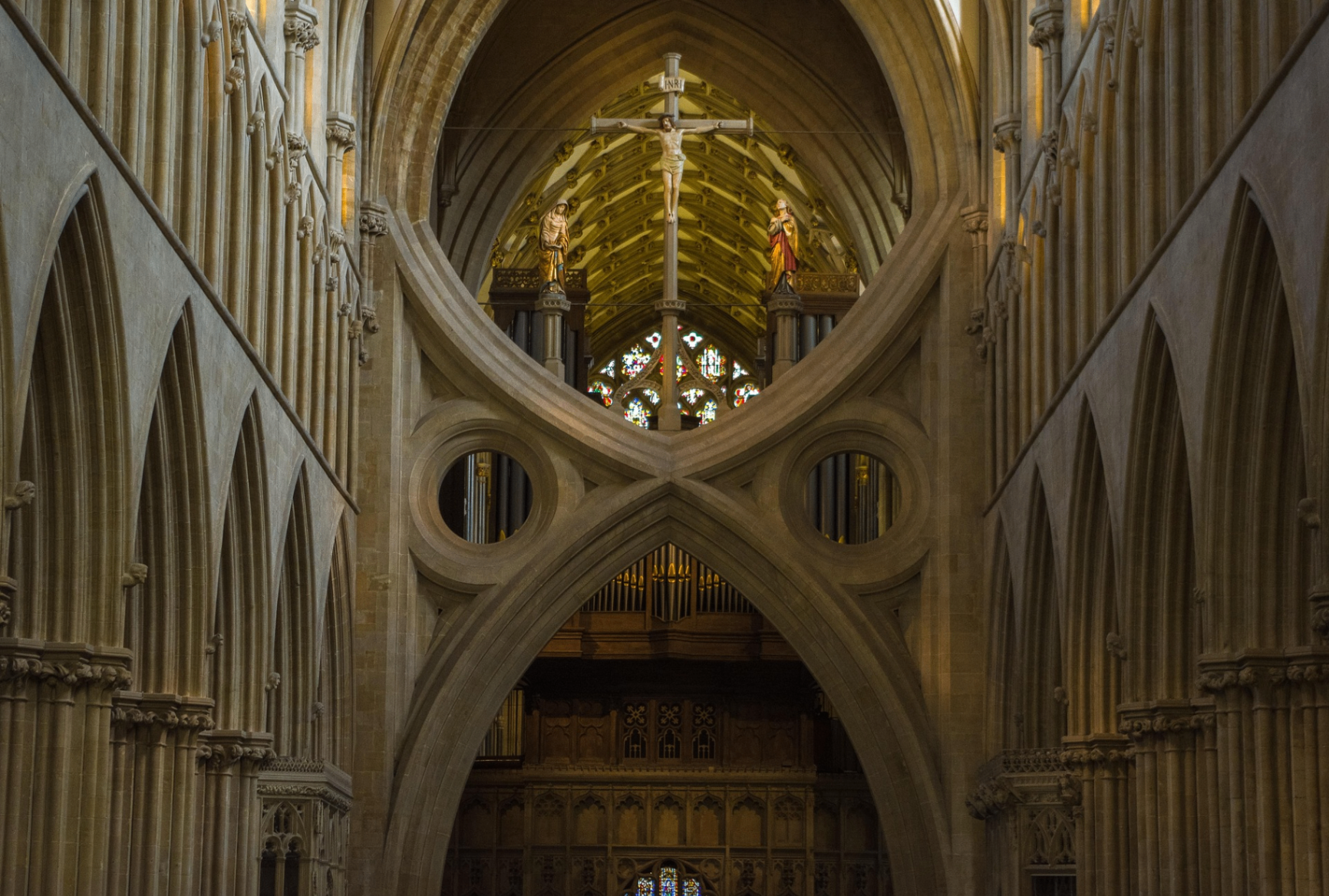
Repairing historic buildings is a craft as well as a science. Good conservation repair respects original materials and techniques, addresses root causes rather than symptoms, and aims for longevity without unnecessary loss of fabric. From masonry and roofs to windows and internal finishes, we guide clients through repair strategies that are technically sound, compatible with heritage values, and deliverable on site.
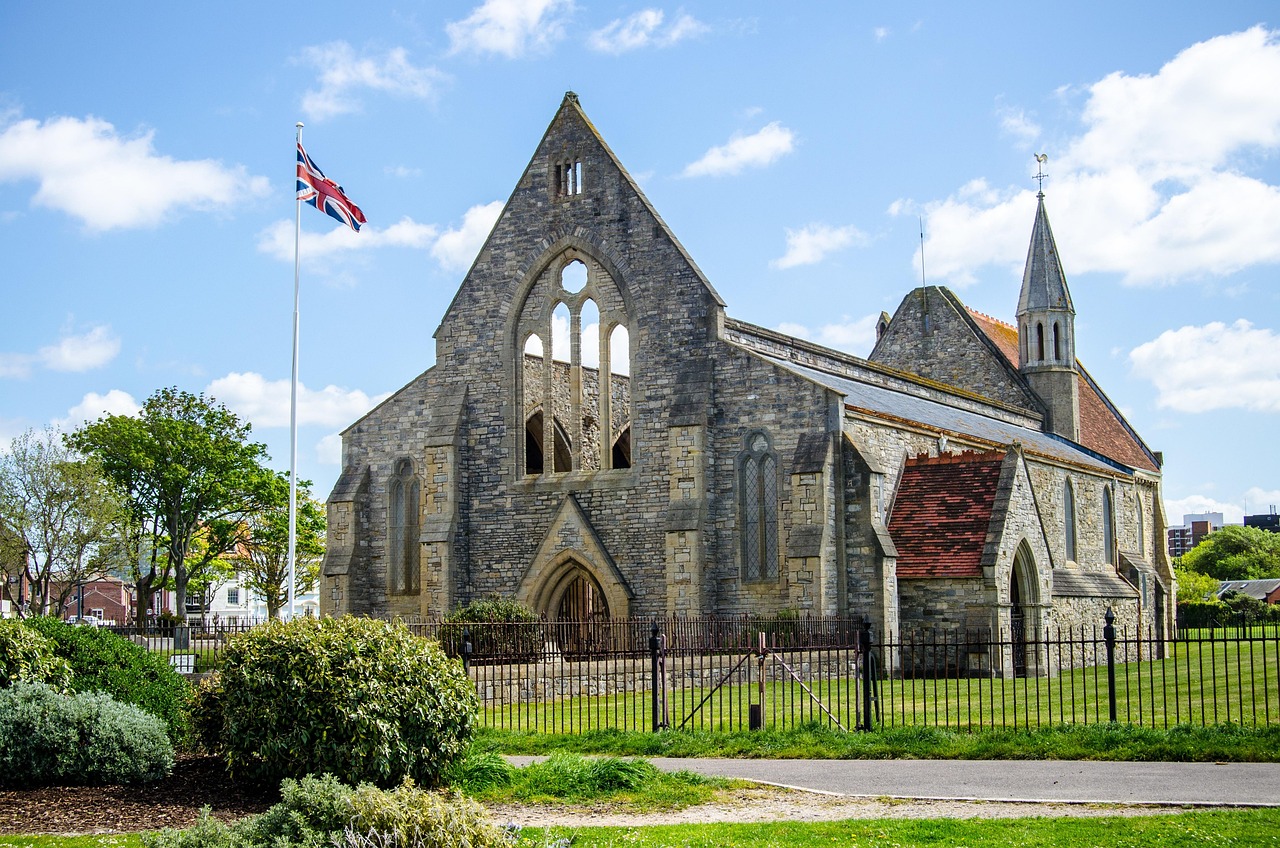
Masonry is often the most visible element of a historic building, and also one of the most vulnerable. Salt, moisture, movement, and past inappropriate repairs can all take their toll. We advocate minimal, targeted interventions: repointing with compatible lime mortars where joints have failed, replacing only severely decayed stones or bricks, and avoiding hard cement mortars that trap moisture and accelerate decay.
Matching aggregate colour, joint profile, and tooling helps repairs blend in visually while remaining honest and legible on close inspection.
ROOFS & WINDOWS
Protecting the Building Envelope
Roofs and rainwater systems are critical for keeping water out, yet they are often neglected until problems become acute. In traditional buildings, slate, clay tile, or lead coverings work with breathable substrates and ventilation pathways. We work with contractors to retain as much original material as possible, supplementing with like‑for‑like replacements where necessary.
Windows are another key interface between inside and out. Original joinery and glazing contribute greatly to character, but often suffer from decay, draughts, and poor past repairs. Our starting point is always repair over replacement: splicing in new timber where needed, reinstating putties, overhauling ironmongery, and improving operation.
Slimline secondary glazing and discreet draught‑proofing can significantly improve comfort and energy performance while retaining the original external appearance and much of the historic fabric.
LIME & SPECIALIST CRAFTS
Materials That Breathe
Lime‑based materials play a central role in many conservation repair strategies. Lime mortars, renders, and plasters allow walls to breathe, helping moisture move and evaporate rather than becoming trapped. Where cementitious materials have been introduced in the past, they can often cause damp and decay in adjacent fabric.
Coordinating specialist crafts is essential to achieving high‑quality outcomes. Stonemasons, carpenters, leadworkers, glaziers, decorative painters, and others all bring different skills and perspectives. We see our role as both technical designers and translators, ensuring that client priorities, statutory requirements, and best conservation practice are clearly communicated to the team.
Lime Mortars
Breathable pointing and renders compatible with historic fabric
Masonry Repair
Minimal intervention strategies for stone and brick
Roof Restoration
Traditional coverings with proper ventilation
Joinery Conservation
Repair-first approach to historic windows and doors
GET IN TOUCH
Plan Your Conservation Repairs
We recognise that most repair projects operate within finite budgets. Our repair advice is therefore always accompanied by a sense of priority: what must happen now to manage risk, what should happen soon to prevent escalation, and what can be monitored.
By combining traditional techniques with pragmatic phasing, we work with clients to keep historic buildings safe, sound, and beautiful without losing sight of practical constraints.