
Change of use planning, commercial-to-residential, and...

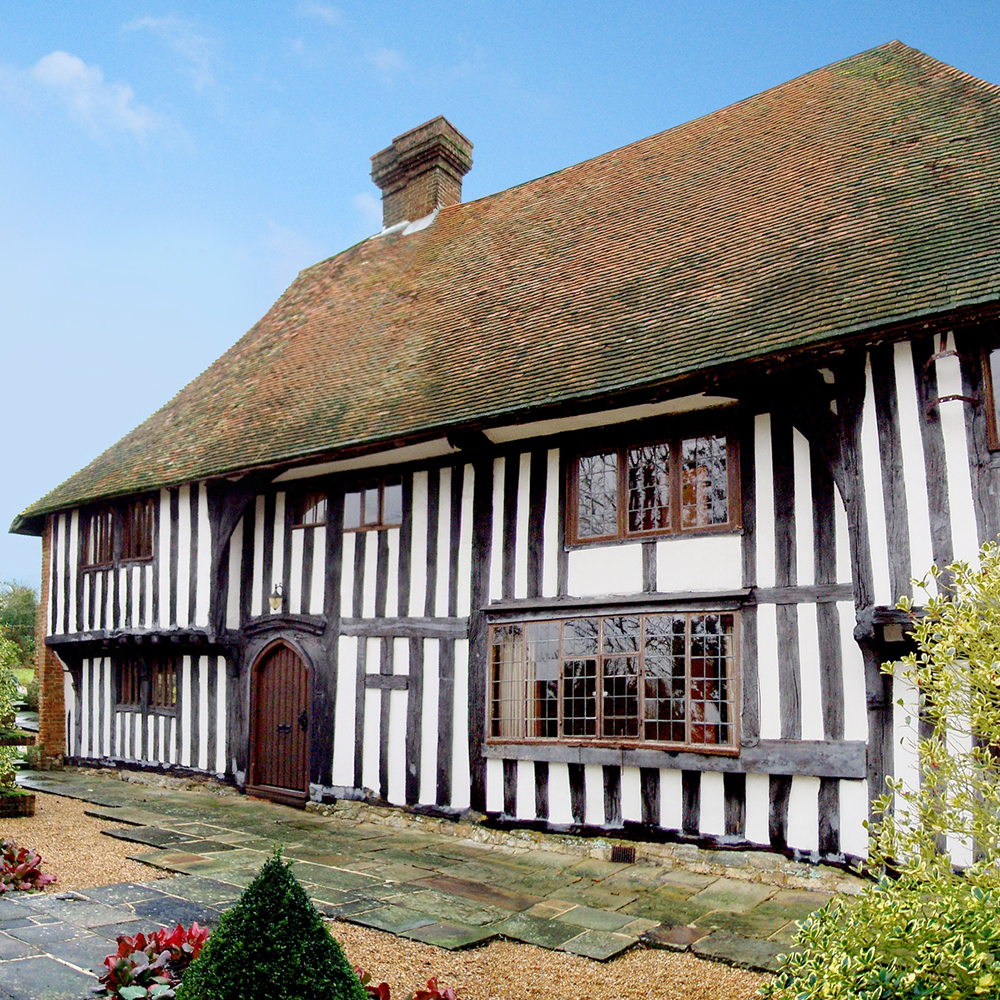
NEW LIVES FOR OLD BUILDINGS
Adaptive Reuse in Folkestone & Kent
Cities and towns change, and buildings need to change with them. Adaptive reuse and conversion allow existing structures to find new lives, whether turning redundant offices into homes, workshops into studios, or chapels into community spaces. In Folkestone and across Kent, this approach can revitalise streets, reduce embodied carbon waste, and preserve local character while meeting contemporary needs.
Change of use planning is often the starting point. Different uses fall into different planning classes, each with its own rules and potential permitted‑development rights. Some conversions can proceed under prior approval routes; others require full planning applications, especially where external alterations, heritage issues, or significant intensification are involved.
We help clients understand which path applies, what supporting information will be needed, and how to present a robust planning case that reflects both site constraints and wider policy objectives.
COMMERCIAL & INDUSTRIAL
Unlocking Potential in Existing Buildings
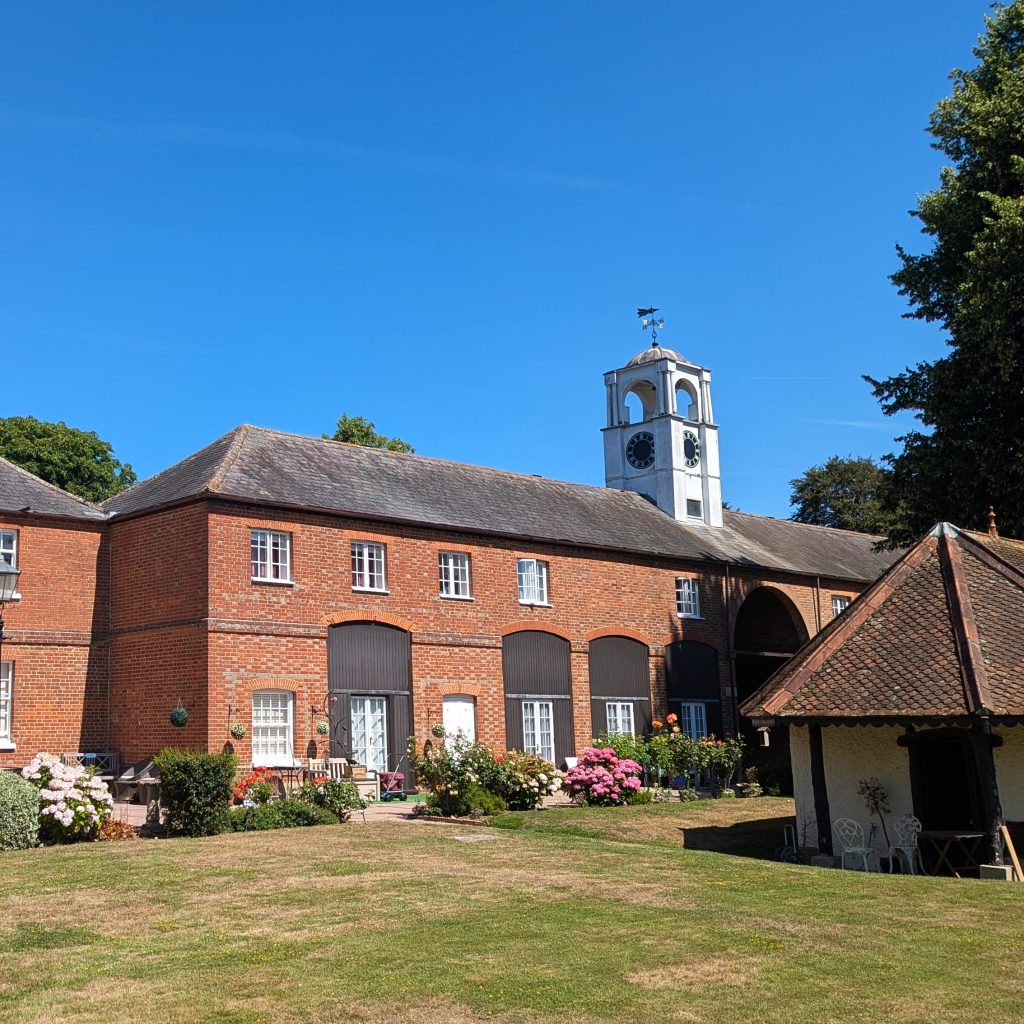
Commercial‑to‑residential conversion is a common scenario. Former shops, offices, and light industrial units can often be re‑imagined as apartments or houses, bringing new residents and activity to underused areas. Successful schemes hinge on daylight, privacy, acoustic separation, and amenity space.
Industrial conversions can be particularly rewarding. Generous volumes, robust materials, and traces of past use can form the backdrop to striking new interiors for live‑work units, studios, or collaborative workspaces. At the same time, there are often challenges around noise, contamination, and building performance.
We work with specialist consultants to address these issues, ensuring that new uses are safe, compliant, and viable. Our designs celebrate the building’s industrial character rather than sanitising it, allowing old and new layers to coexist.
REVERSIBLE INTERVENTIONS
Heritage-Sensitive Conversions
Reversibility is a recurring theme in heritage‑sensitive conversions. Where buildings are listed or of townscape value, we seek interventions that can be undone in future if needs change again. Lightweight partitions, raised floors, carefully routed services, and freestanding elements can create new uses with minimal impact on underlying fabric.
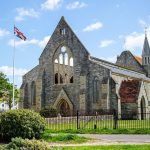
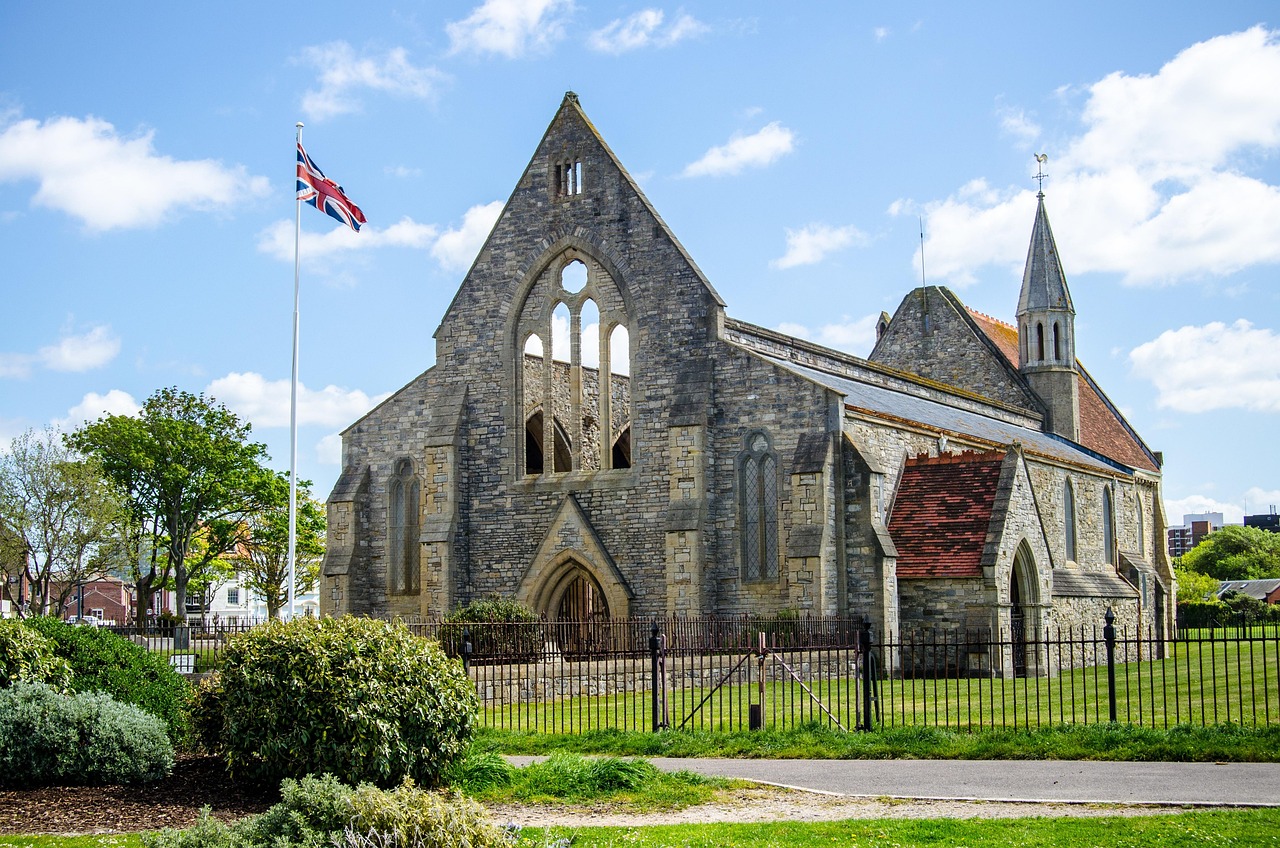
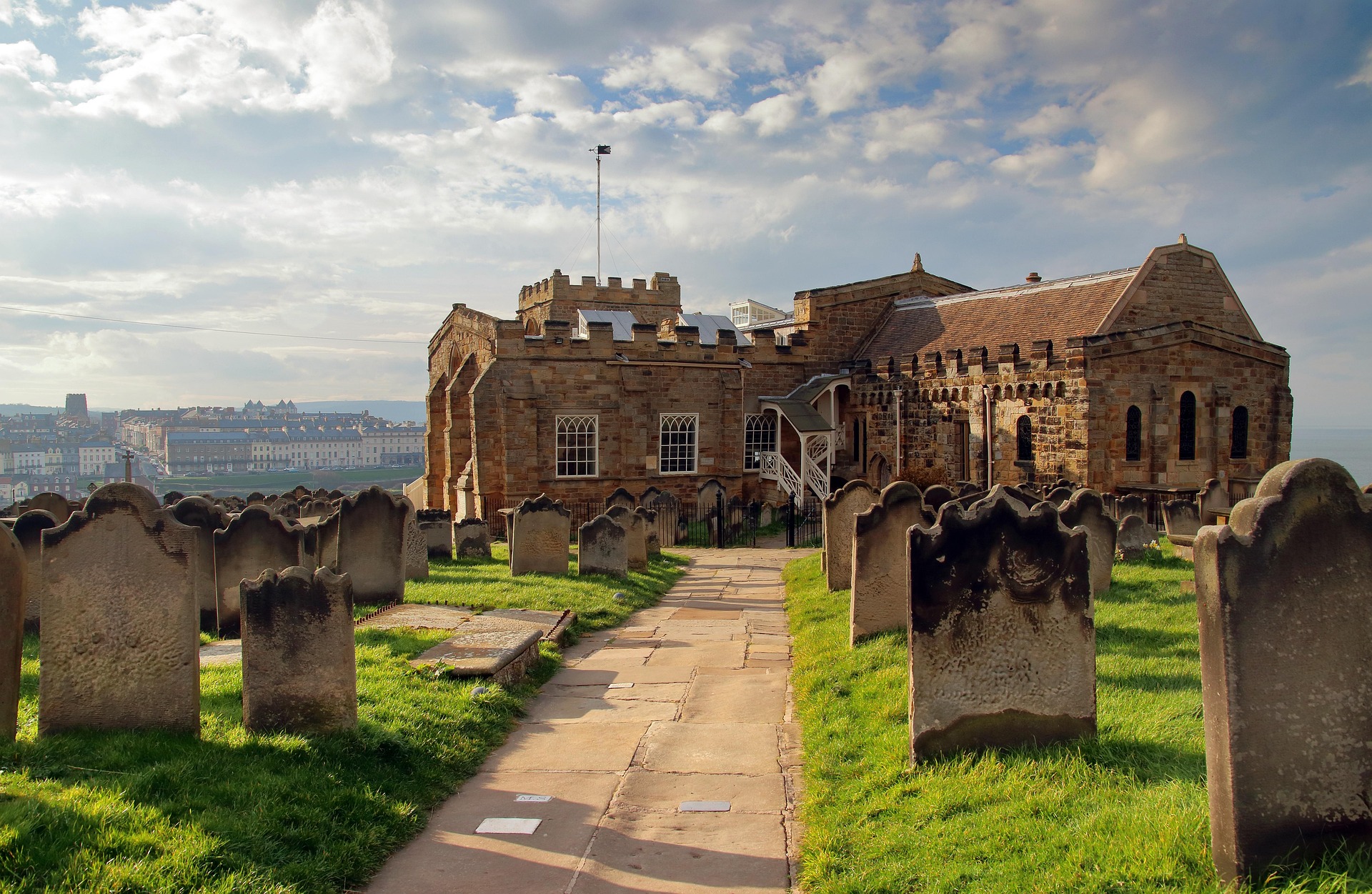
Churches and chapels present their own particular conversion opportunities and constraints. We approach these buildings with respect, using volume, light, and existing details as key design drivers.
Change of Use Planning
Navigating planning classes and permitted development
Commercial Conversion
Offices and shops transformed into homes
Industrial Reuse
Characterful conversions of workshops and warehouses
Reversible Design
Heritage-sensitive interventions that protect fabric
GET IN TOUCH
Transform Your Building
Across all adaptive reuse work, we see ourselves as advocates for both clients and buildings. We help you assess viability at an early stage, identify the ‘red flags’ and opportunities, and develop a strategy that integrates planning, conservation, and technical performance.
In Folkestone’s evolving urban fabric and the wider Kent landscape, thoughtful conversions can create places that feel rooted and fresh at the same time – and we are excited to help bring those projects to life.